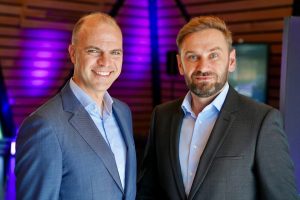
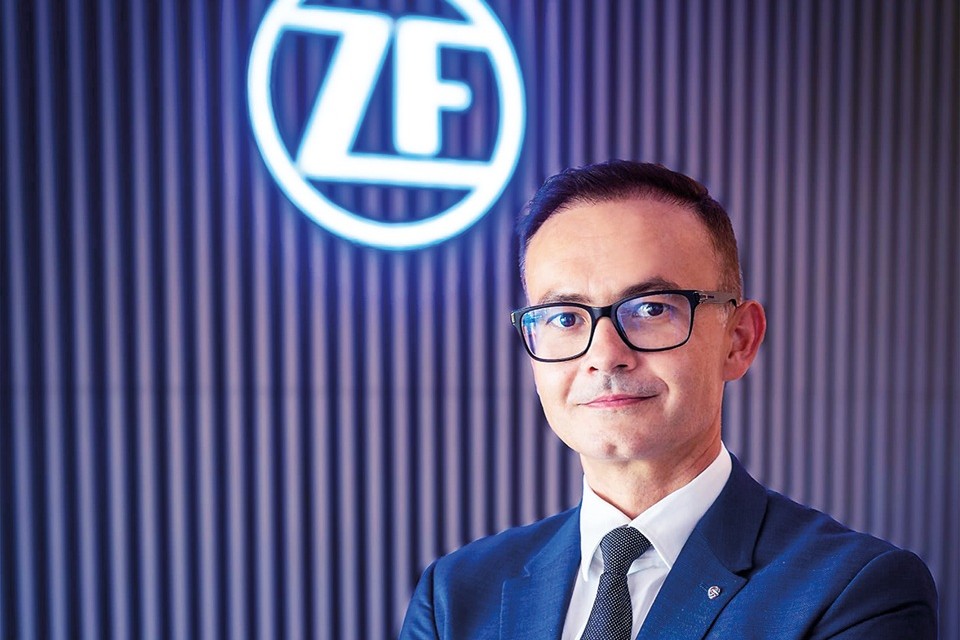
INTERVIEW Florin Boc, ZF R&D Tech Engineering Center Timișoara: “Romania has the potential to move higher in the automotive value chain”
 Petre Barac
Posted On August 31, 2026
Petre Barac
Posted On August 31, 2026
As the automotive industry undergoes one of the most significant transformations in its history, driven by electrification, software-defined vehicles, artificial intelligence, automation and connected mobility, engineering and R&D capabilities are becoming increasingly critical to the competitiveness of the European automotive sector.
Against this backdrop, ZF’s Tech Center in Timișoara has evolved into an important engineering hub within the company’s global network, supporting projects across multiple ZF divisions and contributing expertise in software and system engineering, active safety, testing, cybersecurity, automation and IT services.
In an interview with Automotive Today, Florin Boc, Managing Director of the ZF R&D Tech Engineering Center Timișoara, discusses the company’s performance and strategic priorities, the technologies shaping the future of mobility, and the growing role of Romanian engineering in ZF’s global development activities. He also addresses the challenges of attracting and developing skilled professionals, investment priorities, and what Romania needs to do to strengthen its position as a leading automotive manufacturing, engineering and innovation hub in Europe.
Please provide a brief overview of your company in Romania, including annual turnover (latest available fiscal year), number of employees and main business activities
ZF is a global technology company supplying advanced mobility products and systems for passenger cars, commercial vehicles and industrial technology. With some 153,000 employees worldwide, ZF reported sales of €38.8 billion in fiscal 2025. The company operates 162 production locations in 29 countries.
In Romania, ZF has been present since 2015, after acquiring TRW Automotive’s local operations in Timișoara and Roman. The company now combines manufacturing with engineering and R&D services for the global automotive industry.
ZF operates production sites in Timișoara, Roman, Oravița, and Lupeni, mainly focused on airbags and steering wheels within ZF Lifetec.
The ZF Tech Center in Timișoara, part of ZF since 2019, provides end-to-end engineering capabilities, including software development, system engineering, testing, hardware and automation engineering, as well as cybersecurity expertise and IT services.
In 2025, ZF Romania had about 4,160 employees and turnover of around EUR 253 million.
How would you assess your company’s performance over the past year, and what were the main growth drivers?
The past year was marked by industry transformation and pressure on cost and efficiency. ZF Tech Center in Timișoara continued to support global engineering projects, extending activities in steering systems, software-driven mobility, virtualization and artificial intelligence.
What are your business priorities and strategic objectives for the next three to five years?
Our priorities are to strengthen technology capabilities, improve efficiency and develop skills for future mobility. In Romania, we will continue to maintain a strong ZF Tech Center in Timișoara, contributing to the success of multiple ZF divisions through our expertise, active safety and software.
The automotive industry is evolving rapidly through electrification, AI, automation, connected mobility, and software development. Which technologies are currently shaping your company’s future strategy?
Our strategy is shaped by intelligent chassis, active safety, electrification, software-defined vehicles, powertrain technologies, electronics, cyber security and AI. In Romania, our teams contribute primarily to software and system engineering for braking and steering systems, transmissions and powertrain systems and IT services.
What role does research, development, and innovation play within your Romanian operations?
R&D is a core part of our Romanian operations. The ZF Tech Center in Timișoara has grown into an important engineering hub supporting ZF’s global technology development.
What are your main investment priorities in Romania over the coming years?
Our main investment priority is to strengthen engineering capabilities and keep Romania competitive within ZF’s global network.
We will continue to build on our expertise in software and system engineering for braking and steering systems, transmissions and powertrain technologies, while supporting the evolving needs of multiple ZF divisions.
Which factors make Romania an attractive destination for automotive investments, and what improvements would further strengthen its competitiveness?
Romania is attractive thanks to its industrial base, engineering talent, technical universities and proximity to European automotive markets. To become even more competitive, it should further strengthen technical education, university-industry cooperation, and support for innovation-focused investments.
Recruiting and retaining skilled professionals remains a challenge across the industry. How is your company addressing workforce development?
We focus on long-term talent development, university cooperation, internal mobility, mentoring and international project experience. We also present the real engineering work in Timișoara to attract people who want to grow in a technology-driven environment.
How do you support continuous learning, leadership development, and the reskilling of employees in an increasingly digital industry?
We support continuous learning and innovation through technical training, AI-enabled ways of working, cross-functional collaboration, and global engineering programs. Our diverse business scope creates unique opportunities for employees to explore different technologies.
What do you consider to be the biggest opportunities and challenges facing Romania’s automotive industry over the next five years?
Romania’s main opportunity is to move higher in the automotive value chain, from manufacturing toward engineering, software and innovation. The key challenges are cost pressure, infrastructure gaps and the need to adapt faster to electrification and software-defined vehicles.
If you could recommend three measures that would strengthen Romania’s position as a leading automotive manufacturing and innovation hub, what would they be?
First, strengthen technical education and cooperation between schools, universities and industry. Second, improve infrastructure and ensure stable policy and regulatory frameworks. Third, support innovation ecosystems around automotive hubs through R&D projects, partnerships and stronger visibility for local engineering.