Simona Almajan, NXP Semiconductors Romania: “It would be a missed opportunity not to enter a growing market like robotics”
 Petre Barac
Posted On November 17, 2026

Artificial intelligence is reshaping the automotive industry, accelerating product development and creating opportunities beyond traditional vehicle applications, including physical AI and robotics, Simona Almajan, CEO of NXP Semiconductors Romania, said at Automotive Forum 2026, organised by Automotive Today and The Diplomat-Bucharest.
Almajan pointed to the growing influence of Asian, particularly Chinese, players, who are putting pressure on established automotive companies through significantly shorter product development cycles. While development cycles traditionally took around four and a half years, the industry is now moving towards a period of approximately two years, she said. “We can all see the challenges this creates, especially for European companies, which tend to focus on adapting existing technologies, code and intellectual property, while other players enter the market from scratch and build new architectures,” she noted.
AI is already helping companies improve workflow efficiency and automate parts of the product development process, Almajan said. In automotive, however, innovation must go hand in hand with strict requirements for functional safety, cybersecurity and reliability. AI agents can automate individual tasks, such as generating code or implementing specific development stages, potentially delivering efficiency gains of around 20–30%, she explained. Achieving higher levels of productivity will depend on the next step: coordinating and orchestrating multiple AI agents. “If we want to achieve more than 20–30% or 40% efficiency gains, orchestration is essential,” Almajan said.
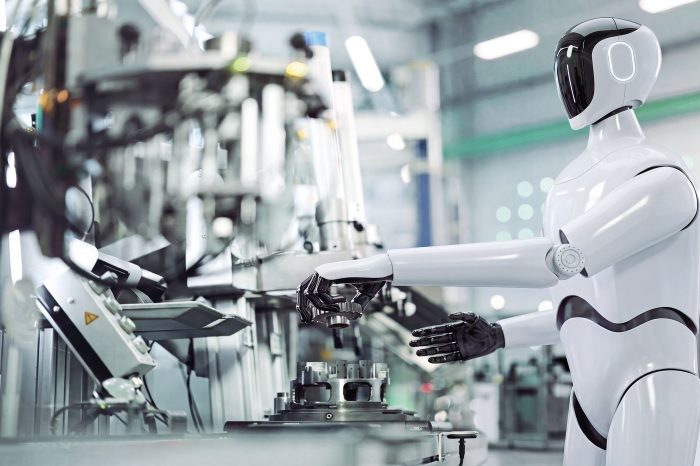
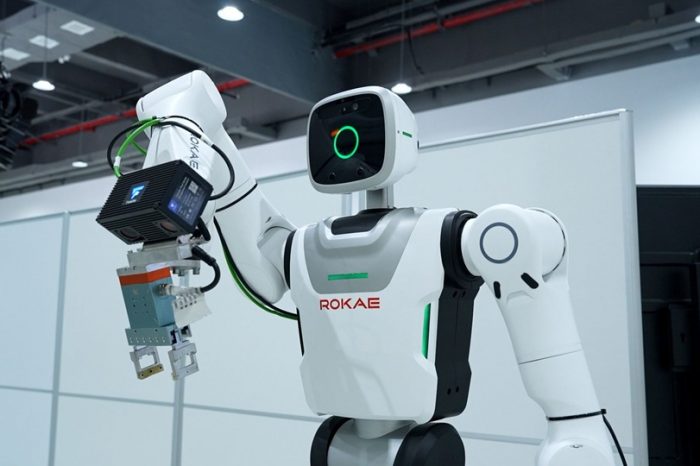
She also highlighted the shift from cloud-based AI towards processing data directly on chips and within vehicles, driven by limitations such as latency and bandwidth. This development is particularly important for autonomous systems, which need to process information and make decisions in real time. Looking ahead, Almajan sees physical AI as a bridge between automotive technologies and robotics. While vehicles are designed to navigate safely, robots must also move around, interact with people and perform a wider range of tasks, bringing additional functional safety challenges. “The foundation already exists, and companies from the automotive value chain can build on the technologies, solutions, hardware and software they have developed. It would be a missed opportunity not to enter a market that is growing,” she concluded.