Mihai Bordeanu, Dacia: “We need a solid and lasting partnership with the Romanian Government”
 Petre Barac
Posted On November 11, 2026
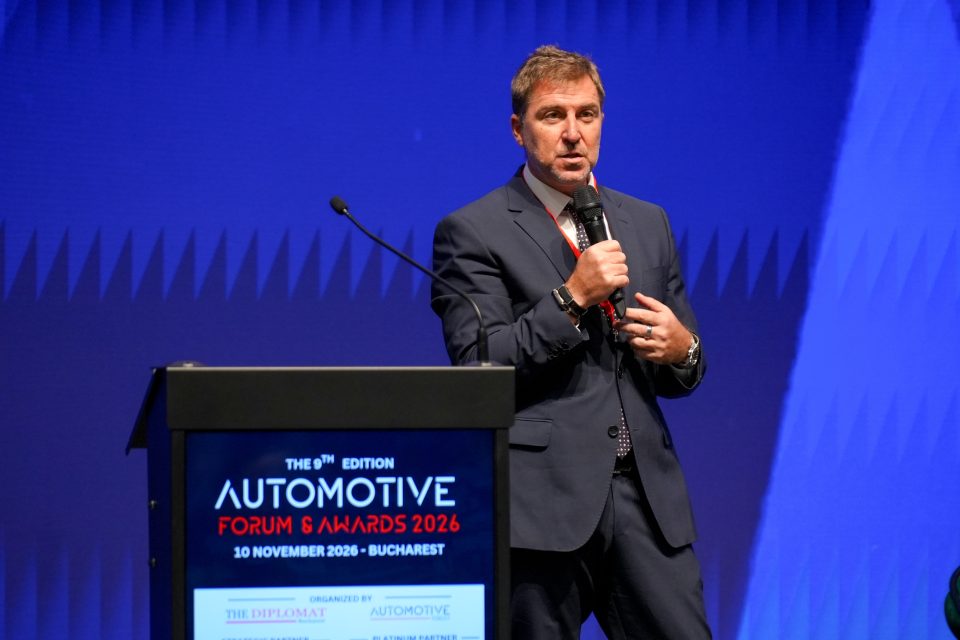
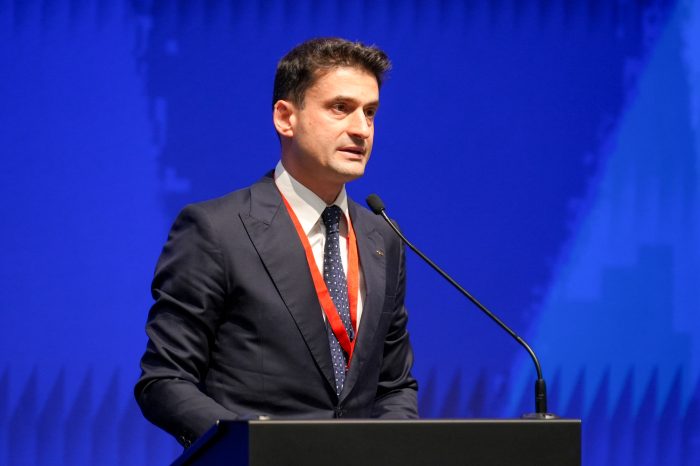
Romania’s automotive industry is facing a critical juncture amid global competition, rising cost pressures and the transition to electric mobility, requiring a stronger and long-term partnership between carmakers and the government, Mihai Bordeanu, Managing Director of Dacia Brand South Eastern Europe and Country Head Romania, said on Tuesday.
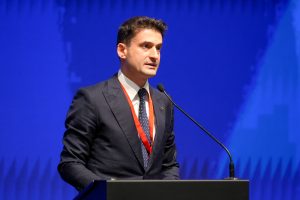
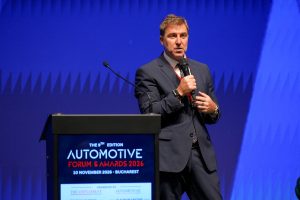
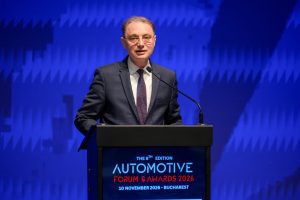
Speaking at the opening of Automotive Forum 2026, organised by Automotive Today and The Diplomat-Bucharest, Bordeanu said the automotive industry was undergoing one of the most dynamic periods in its history, driven by electrification, digitalisation, cost pressures and the emergence of new competitors.
“Behind the figures of the automotive industry are people. Tens, hundreds, thousands, even hundreds of thousands of people work directly or indirectly for Romania’s automotive sector,” Bordeanu said.
He added that billions of euros in investments, training programmes and generations of specialists had helped put Romania on the map of the European automotive industry.
“We are going through a turning point today, which we will have to manage with responsibility and realism,” he said.
Bordeanu pointed to the growing competitive pressure from new players, particularly Chinese manufacturers, which he said benefited from substantial state subsidies, as well as an increasingly challenging geopolitical environment.
In this context, automotive companies must make decisions quickly, sometimes difficult ones, with medium-term consequences for both businesses and employees, he said.
For Romania, the stakes are particularly high, as the future of its automotive industry depends on cooperation between manufacturers and state authorities, Bordeanu said.
“We are looking with great confidence towards the Romanian government and towards building a solid and lasting partnership,” he said, adding that such cooperation should ensure favourable operating conditions and provide a clear roadmap for energy costs.
Energy prices remain a major concern for the industry, while labour legislation also needs to be adapted to current market conditions, he said.
Bordeanu also called for continued and accelerated investment in Romania’s infrastructure, including road, rail and port networks, arguing that these are essential to the sector’s long-term development and competitiveness.
“All these things can be achieved through a solid and lasting partnership,” he said.
Bordeanu, who also represents the Romanian Association of Automotive Manufacturers (ACAROM), said the organisation was ready to put forward proposals, engage in discussions and work towards securing the future of Romania’s automotive industry.

Trending Now