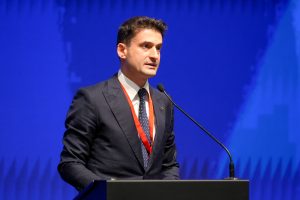
Prime Minister Luca Niculescu: “We cannot achieve an economic recovery without taking into account the automotive industry, which is a key sector for Romania and Europe”
 Petre Barac
Posted On November 11, 2026
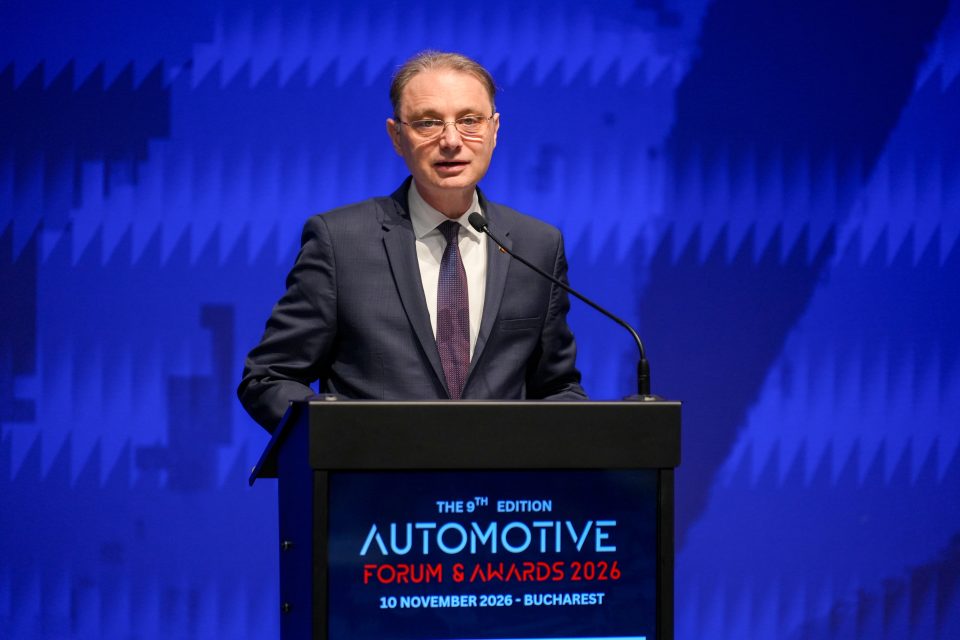
Romania’s automotive industry generates annual revenues of more than 30 billion euros and contributes over 13% to gross domestic product, Prime Minister Luca Niculescu said on Tuesday, stressing the need to strengthen the sector’s competitiveness amid mounting pressure on Europe’s car industry.
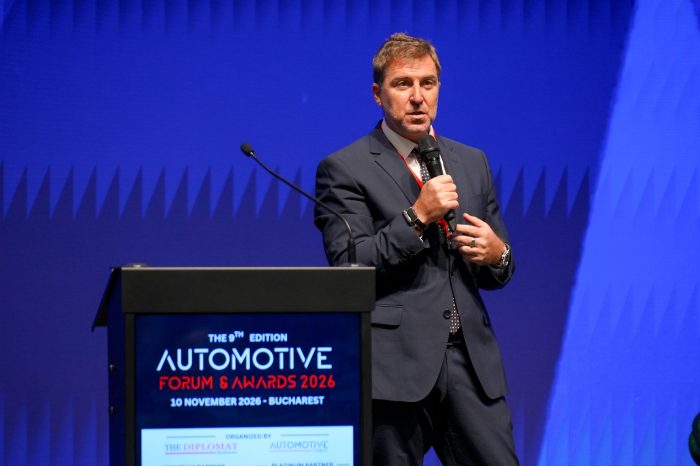
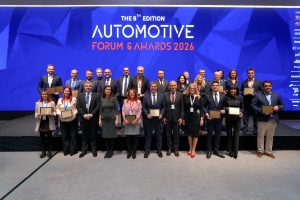
Speaking at the opening of Automotive Forum 2026, organised by Automotive Today and The Diplomat-Bucharest, Niculescu said Romania had become the European Union’s seventh-largest car producer in 2025, an important achievement given the challenging conditions facing the European automotive market.
“Competitiveness can no longer be taken for granted,” Niculescu said, adding that the industry’s performance reflected the professionalism, expertise and work of people who had made Romania a competitive partner in international value chains.
The automotive sector is also Romania’s largest industrial employer, he said, underlining its importance both economically and socially.
The government is actively involved in discussions on European initiatives aimed at modernising and supporting the automotive industry, while aligning national policies with these efforts, Niculescu said.
He pointed to the European Automotive Action Plan, saying the government supported measures to improve the competitiveness of Romania’s automotive industry amid difficulties in the European market and the risk of job losses.
Energy costs and security are also critical factors for the sector’s competitiveness, the prime minister said.
“Through investment projects and public policies focused on consumers, Romania is moving increasingly closer to energy independence,” he said, adding that domestic production would eventually cover the energy needs of both industrial and household consumers.
Niculescu also highlighted the need to improve cooperation between the education system and businesses, particularly through vocational and technical training under the dual education system.
The government is encouraging partnerships between schools and companies to equip young people with practical skills suited to new technologies and the industry’s requirements, he said.
Romania is at a crucial economic juncture, with the government committed to relaunching the economy through a multi-billion-euro programme designed to support companies and boost domestic production, Niculescu said.
“An economic recovery cannot be conceived without taking into account the automotive industry, which is a key sector of both the national and European economy,” he said.
The government wants to encourage the development of local suppliers and domestic production of components that are currently imported, he added.
To support investment and provide a more predictable business environment, the government plans to eliminate the minimum turnover tax (IMCA) starting January 1, 2027, Niculescu said.
Companies investing in new assets commissioned in 2026 will also be able to benefit from accelerated tax depreciation, allowing 65% of the fiscal value of eligible technological equipment, machinery, tools and industrial installations to be deducted in the first year.
The measure is intended to support companies upgrading production lines and investing in new technologies, he said.
Companies can also opt for a refundable tax credit of 10% of eligible research and development expenditure, a measure designed to encourage innovation and retain engineering, design and research capabilities in Romania.
The prime minister also highlighted the TechUp Romania programme, which has a multiannual budget of more than 5.3 billion lei and can support investments in mobility and autonomous systems, green energy, energy storage, microelectronics and artificial intelligence.
These sectors will be essential to the future development of the automotive industry, he said.
Niculescu expressed confidence in the Romanian automotive sector’s ability to remain a driver of economic growth and a leading force in innovation and competitiveness.
“I have great confidence in the potential of Romania’s automotive industry and in your ability to remain an engine of development for the national economy and a spearhead for innovation and competitiveness,” he said.

Trending Now