Mihai Bordeanu, Dacia: “We need Chinese-style speed in the European automotive industry”
 Petre Barac
Posted On May 27, 2026
Petre Barac
Posted On May 27, 2026

Romania’s automotive industry is facing the most intense and complex transformation in its history, according to Mihai Bordeanu, Managing Director Dacia Brand South Eastern Europe and Country Head Romania, who called for faster execution, greater accountability and stronger competitiveness across the sector.
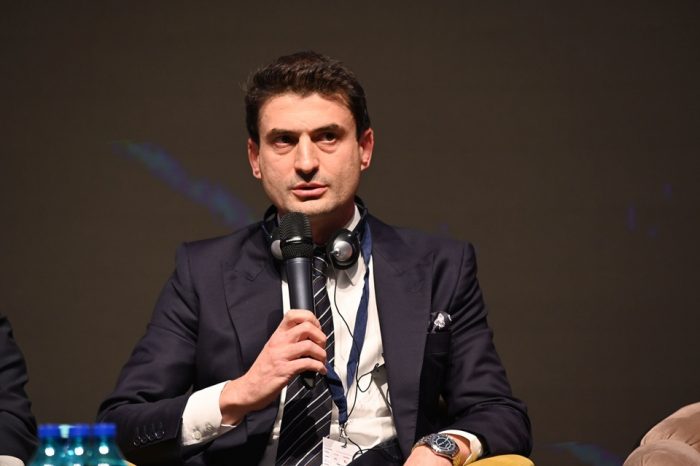
Speaking at an event organized by ACAROM to mark the 30th anniversary of the Romanian Automobile Manufacturers Association, Bordeanu said the industry is undergoing “the most intense, the most spectacular, but also the most complicated period in automotive history.”
“When we talk about challenges and what we should do next, from my point of view, we should be more Chinese,” Bordeanu said.
He clarified that the comparison referred to “speed of execution and responsibility,” stressing that Europe’s main weakness lies in the pace of implementation.
“Our problem is speed. What do we do next? The direction is very good,” he said. “That’s the point I want to emphasize: speed, speed, speed of execution.”
Bordeanu also urged European industry leaders to adopt successful practices from competitors rather than ignore them.
“In business, there are few rules, but they are clear,” he said. “One of them says: if you notice your competitor making mistakes, don’t interrupt them. But if they are doing good things, copy them and turn them into best practices.”
Referring again to Chinese manufacturers, Bordeanu said the gap in reaction time and implementation capabilities has become significant.
“If we look at them and at their speed of reaction, implementation and responsibility, we are light-years behind,” he said.
The Dacia executive added that Europe must improve its competitiveness, particularly through lower operating costs and more affordable energy prices.
“We clearly need to become more competitive,” Bordeanu said. “We also need to think about operating with lower costs in order to remain competitive.”
He added that the industry expects authorities to provide greater predictability regarding energy prices.
“We have expectations regarding energy costs,” he said. “We expect that in the coming weeks, months, maybe even this year, we will have a roadmap through to the end of the decade showing a downward trend in energy prices.”