INTERVIEW Daniela Alexandru, Magna Exteriors Craiova: “HR plays an important role in shaping and supporting our ESG goals by focusing on leadership development that goes beyond engagement”
 Petre Barac
Posted On August 19, 2025
Petre Barac
Posted On August 19, 2025
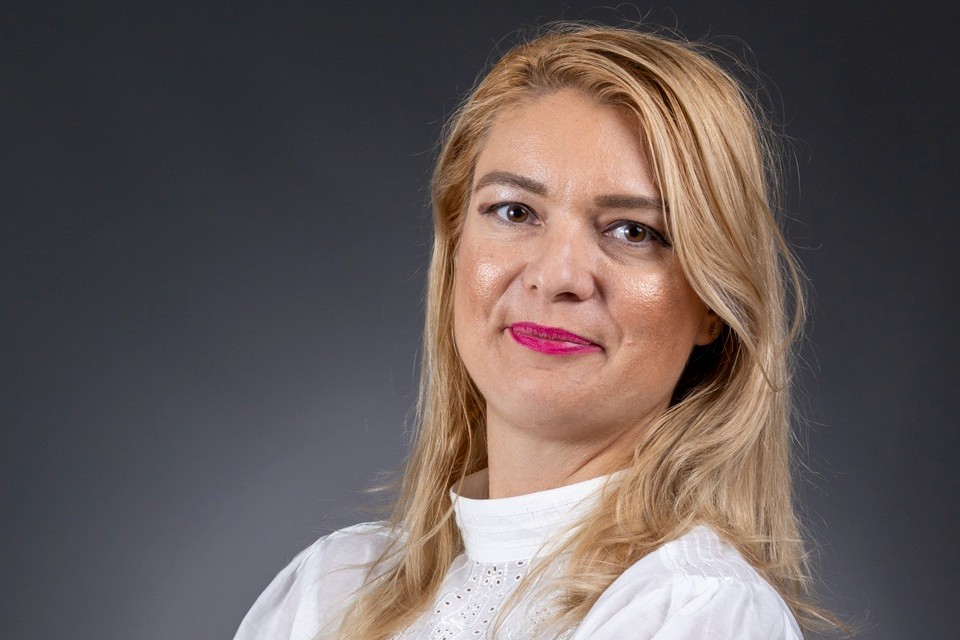
“I think that, in general, at workplaces, people are facing an epidemic loneliness, lack of purpose, and burnout, so from every perspective that you look at that, people do need permanent support and understanding. So, for people to feel part of the company’s culture and to aim at reaching full potential, we need a strong sense of belonging, high trust and organizations that prioritize people and purpose,” Daniela Alexandru, HR Manager, Magna Exteriors Craiova told Automotive Today.
How would you describe the current mood or sentiment within your workforce?
In our organization, the overall feeling within the workforce is highly positive, marked by strong employee engagement and a collaborative team spirit. Annually, we run our Employee Opinion Survey, which I believe it’s a powerful tool that gives us the right image of our inside climate, satisfaction, and any potential improvements we might need. I am really proud of the outcome of our EOS’s results, year by year, as these represent our X-ray and, I must add, in 2024 we were recognized by Magna as the Division with the highest Employee Engagement score and when I think of our Magna Craiova employees I can honestly say “this is truly an outstanding achievement!”
Feedback from recent surveys and one-on-one discussions highlights a growing sense of trust in leadership and satisfaction with the direction of recent organizational changes. Our teams are demonstrating resilience, consistency, and adaptability, with low turnover and absenteeism rates, reinforcing a stable and motivated work environment.
The key to having a motivating, safe, and empowering environment is to care about the needs of employees, really prioritize people and purpose; acompany’s path to success is built on perseverance, consistency, and learning in small but meaningful steps.
Then, all these positive climate leads to innovation, open communication, and a shared commitment to our collective goals.
What are you doing differently in 2025 to maintain or improve employee engagement and morale?
To see what I can do to maintain or improve employee engagement and morale, I must first understand the overall environment, WHAT and WHY is happening.
I think one of the most important things in my job is to pay attention to the environment, not just internally, but to consider the external environment as well, and to always be open, listen, be agile, adapt, reinvent, innovate, and be more resilient.
Having in mind all this VUCAD environment (the fifth element “Disruption” due to unpredictable changes that affect business models and ways of working, Disruption is and should be about Transformation), the most important thing is to understand the CHANGE. Change has always been important, but now it has become even more important because it happens DIFFERENTLY than what has been so far:
– we live in an interconnected world (if the change happens in one place, it happens everywhere)
– the pace of change (the speed of transformation is faster than ever before)
– disruptions (every company is exposed to the risk of being disrupted due to various reasons)
The world of work is evolving and changing rapidly; we don’t really know what the future of work will look like; we can only take it step by step, adapt, and learn from what we see, feel, and predict, and many organizations struggle to keep up with the pace of change. The greater the gap between where the world of work is heading and where organizations currently stand, the deeper the lack of employee engagement and motivation is — and this cycle keeps repeating itself. We must find ways to close this gap or at least reduce it as much as possible. The faster we, as organizations, understand the needs, the quicker and smoother their implementation will be, giving us an advantage over those that continue to resist change or where change will be too slow, making it not sustainable.
So, it is not what I do differently, but what we constantly do to observe, acknowledge the change that surrounds us, and adapt to it. Our industry, at least, has all 3 components of change described above, so we cannot afford to talk about old habits or outdated mindset; our continuous focus is on people and what new ways we could adapt to create that “magnetic energy” that keeps people motivated and engaged in the organization, and here are the 3 key ways that we are using:
a) Believe in the magnetic energy and in the good of people (our beliefs affect our words and actions)
- Trust first and provide each other the benefit of good intentions (leaders need to have courage to trust first, to seek to understand before judgment, and that will create the context for more trust and a safe place for people to open and communicate)
- Connect and demonstrate that we care (dare to connect face to face, the connection that builds resilience and makes the team stronger).
Let’s keep in mind that 70% of the variance in team engagement is directly linked to the relationship with the manager (according to Gallup). So when we talk about productivity, sense of belonging, retention, customer satisfaction…70% of it is rooted in relationships!
That’s why we consistently focus on understanding people’s needs. We all experience moments of doubt about our own value, and it’s often the strength of our connections that helps us move forward. When we express gratitude, appreciation, and recognition, we bring people together. And when people feel valued, they become more valuable.
My advice is that we, as leaders, must remain open and approachable, allowing people to truly know us, share gratitude generously, and never underestimate the power of investing in meaningful human connections!
Are you seeing changes in how employees want to experience work — whether in culture, communication, or leadership style?
Yes, for sure. And this is on one hand due to the mix of generations, but also due to the rhythm of change, which I was talking about earlier.
People are curious and they are eager always to learn more, the continuous learning and profesional grows are very important for our employees, so we, as organisations, need to be able to understand this and whatever else might motivate them: for example the younger generation is more open to change, they want to innovate, they want their work to matter but also are more rebel and stubborn. So, I believe once the organizations understand the needs and motivation factors of the employees, understand the gap, they need to shift their mindset and adhere to the new needs, engage people in programs that support their integration — digitalized programs, gamification, and mentorship initiatives designed to guide them, inspire them, and provide relevant know-how in their areas of interest. And of course, flexibility—both in terms of workplace location and the nature of the work itself.
And talking about how employees want to experience work and leadership style, we must continue our efforts to close(diminish) the gap:
- Top-to-bottom decision – nowadays, employees share technologies, expectations, ideas, values, so they want to feel part of the decision; we must involve them in the process of decision-making
- Employees’ needs – this has changed a lot in the last 10 years, so we must adapt to their new needs
- Assumption that people are supposed to work in organizations—this is no longer valid today. Individuals can now easily become freelancers, sell products exclusively online, launch startups, etc. This means people don’t have to work for companies anymore.
That’s why the battle to attract and retain talent has never been fiercer. The assumption that people must work in an organization is false; people need to want to work there.
This is the mindset shift we need to recognize and act upon.
Looking at 2025, after the first half year, what do you see as the most pressing HR priorities for your organization?
I think there are no major changes after the first half of the year, I mean, we do have our HR strategy well defined at the beginning of the year, and we stick to it.
So we continue our effort in 3 major directions:
- Think Big picture – the focus is on allowing the employees to broaden their thinking and expectations, anticipate the challenges of the current year and long-term future, and consider what steps might help to reach the goals. This translates into giving employees a clear understanding of their career path and Reskilling. This gives employees the possibility to acquire new skills and face new roles in the organization, and on the other hand, it helps them in their career growth.
- Development Goal as part of Performance Management
As part of the goal-setting strategy, we must consider for each employee at least one development item to focus on during this year. The continuous learning and development of our employees is the key to having engaged, motivated, and loyal employees. By prioritizing employee development, every team member has the opportunity to expand their knowledge and achieve their full potential, and we not only enhance individual skills and competencies but also drive overall organizational growth and success.
Investing in our employees’ professional growth ensures they remain adaptable and prepared for future challenges, ultimately leading to higher job satisfaction and retention rates.
- Turning flexibility & Agility into a core strategy
In a world where the main workforce transformation factors such as broadening digital access, geoeconomic fragmentation and geopolitical tensions, increasing cost of living due to a mixed perspective of inflation (disappearing of thousands of jobs and creating new kinds of jobs), or climate-change mitigation, it is necessary to adopt policies and programs that will enable our organization to seize opportunities and quickly react to changes: Flexible work arrangements, Continuous Learning & development, Cross-functional Team for Project Management, Digital Tools, Wellness or Sustainability programs.
Have you noticed any shifts in employee expectations or behaviors that are reshaping your HR agenda in 2025?
I think the entire external climate: technological changes, geoeconomic fragmentation, economic uncertainty, demographic shifts, and the green transition—individually and in combination—are among the key factors expected to shape and transform the global labor market in the next few years, and this affects our employees’ expectations.
Four major transformative trends push the need for new competencies among our employees:
- Expansion of digital access – with 60% of employers expecting to transform their businesses by 2030.
- Diverging job market effects – social and economic inequalities are driving both the fastest-growing and fastest-declining roles, fueling demand for tech-related skills
- Rising cost of living – the most significant trend linked to economic conditions; Inflation is projected to have a mixed impact on net job creation by 2030, while slower growth is expected to displace 1.6 million jobs globally. These two forces are expected to increase demand for creativity, resilience, flexibility, and agility skills.
- Climate change mitigation –This is driving demand for roles such as renewable energy engineers, environmental engineers, and specialists in electric and autonomous vehicles—all among the top 15 fastest-growing jobs.
Considering the entire above context, we need to pay attention to what skills will be needed and expected from our employees:
- Creativity and Innovation
- Emotional Intelligence
- Critical Thinking and Problem Solving
- Technological Skills
- Adaptability and Lifelong Learning
Considering these evolving dynamics, our HR agenda is increasingly focused on anticipating and aligning with the shifting expectations of our workforce—by promoting adaptability, investing in future-ready skills, and creating an environment where continuous learning and innovation are not just encouraged, but essential.
What changes in the workforce or business environment do you anticipate in the next 12–18 months
We anticipate several key shifts in both the workforce and the business environment. For us, hybrid work remains a significant challenge, as we operate as JIS plant where production is fully onsite. Nevertheless, hybrid and flexible work models will continue to evolve, with an increasing emphasis on employee well-being and work-life balance. Technology, automation, and data analytics will reshape roles and demand rapid upskilling. Additionally, we expect a growing focus on sustainability and purpose-driven work, as employees seek stronger alignment between their personal values and organizational missions. These changes will require HR to be more agile, proactive, and strategic in workforce planning, talent development, and employee engagement.
What will define a successful HR function at your company by the end of this year?
As I already mentioned, the HR has to be connected with the internal and external environment, always be informed, understand, and try to anticipate the next step, be consistent in implementing the well-established strategy, have a deeper understanding of the new needs of employees, be agile, and rapidly adapt to change.
Success will mean not just filling roles, but shaping a resilient, skilled, and engaged workforce that can adapt to disruption, embrace innovation, and contribute meaningfully to the company’s long-term goals.
Success cannot take place without people; the relationship and connection between them are crucial, so I would like you to reflect on the following challenge
“What conversation will you have to create that magnetic energy on your team?”
How involved is HR in shaping or supporting your organization’s ESG goals?
At Magna Craiova, HR plays an important role in shaping and supporting our ESG goals by focusing on leadership development that goes beyond engagement.
Today, we cannot speak only about having engaged leaders in the organization, especially considering that this is not an easy path. Truly engaged leadership is not a quick win—it requires a long-term strategy. However, I believe that engagement alone is no longer enough. Cultivating engaged leadership means leading with empathy, through a deep understanding of emotional intelligence (EI) and its importance. EI also includes psychological safety, encouraging employees to share ideas, take risks, give and receive feedback, and learn from failure. This connection builds trust, innovation, creativity, engagement, and satisfaction, while also creating mentoring opportunities for future leaders.
We often talk about leadership, values, mission, and leadership styles—but rarely about morality. Yet ethical leadership is essential. Integrity, honesty, courage, respect, objectivity, and critical thinking must define our leaders.
At Magna Craiova, we strive to develop authentic leaders who embody all three components: engaged, empathetic, and ethical—not just by building skill sets, but by shaping individuals who can truly contribute to organizational transformation. For us, the key elements in developing authentic leaders are continuous learning, meaningful and clear communication, and team coaching.
a) Continuous learning is key, and our most impactful initiative remains the annual Leadership Academy. This program is structured around three core groups: key positions, the management team, and shift/team leaders. Each edition of the Academy aligns leadership concepts with the evolving needs of our people and organization, such as:
- Business Simulation – experiential learning
- MAFACT Simulation – a program for operational teams focused on continuous process improvement
- Magna Automotive Engineer Program – designed to introduce young engineers to the automotive industry and lean manufacturing principles
- Digitalization Program – starting with a successful pilot, now expanding factory-wide to enhance Performance Management processes
- Other impactful initiatives that demonstrate authentic leadership include our idea improvement awards and recognition of employee loyalty.
b) Meaningful and clear communication is also essential. Examples of how we communicate within the organization include:
- Management visibility – with the “job rotation” program having the highest positive impact
- Continuous and transparent employee communication and motivation
- Team-building activities
- Community involvement
- Sustainability initiatives
- Celebrating success
c) Team coaching is essential for our team’s development and performance. It helps teams move beyond surface-level relationships, build trust, give feedback, clarify expectations and needs, talk openly about emotions, reduce assumptions, and shape a shared vision.
This year, we launched a dedicated program for both managers and key positions. With a powerful title—Champion Mindset, inspired by W. Bridges’ transition model—the program explores the past, the neutral zone, and how to move forward. It focuses on embracing new beginnings and driving change through a collaborative culture, shared successes, and moments of pride. This program also emphasizes how we can create and maintain a collaborative culture based on appreciation, recognition, and expressing gratitude within the team.
Adhering to authentic leadership through continuous learning, meaningful communication, and team coaching, we bring the three pillars of ESG—Environmental responsibility, Social impact, and strong Governance—to life. It’s not just about supporting ESG goals; it’s about shaping a culture where people lead with purpose, grow with integrity, and build a future that’s both sustainable and human centered.
What specific ESG-related initiatives your team is leading or contributing to this year?
Sustainability inspires us to be responsible with our consumption and production, but it also drives us to be champions of diversity and inclusion. Supporting the wellbeing, education, and equality of our employees, their families, and surrounding communities are just as important as our energy, waste, and industrial initiatives.
Magna’s decarbonization targets are built on principles of operational excellence and innovation. As a global leader in the automotive industry, Magna has set ambitious net-zero targets. Magna has approved near- and long-term science-based emission reduction targets with the Science Based Targets Initiative (SBTi), and the SBTi has verified Magna’s net-zero science-based target by 2050.
At Magna Exteriors Craiova, ESG is a strategic priority. We recognize that maintaining high performance and staying on top requires a strong commitment to developing and delivering impactful ESG projects, such as:
- Energy savings- Monitoring EMS System – replacing conventional lighting systems with LED lighting systems, dimming the light in the workstation when not in the work cycle
- Waste – reduce packaging of non-essential parts;reduce sludge quantities by pressing and removing water etc
- Water conservation – Installation of pressure regulators in the factory toilets for reduced water consumption; audits of the supplier for the osmosis station in order to reduce the water consumption etc
- Efficiency and resources – Building renovation (new insulation)
- People – 3R program for all employees – reduce, reuse, recycle, etc., Afforestation campaigns (30000 trees planted so far!), Community cleaning Campaign in Dolj district (5 tons of waste) , Kindergarten renovation with sustainable/reusable materials etc
- Education & Community – Summer camp for employees’ children touching the sustainability topic (we were honored with an award by Automotive Today for this program), student internships, donations for children in need, Partnership with Tennis Academy in Craiova for a sustainable playground etc
At our division, ESG is not just a priority — it’s a responsibility we actively embrace. Through tangible, high-impact initiatives across energy, waste, water, resources, and community engagement, we are shaping a more sustainable future while strengthening our connection with employees, partners, and the environment.